Exploring Holistic Approaches to Weight Management and Enhanced Vitality
An educational resource dedicated to understanding the fundamental principles of balanced nutrition, physical activity, and lifestyle choices that contribute to overall well-being and vitality.
Educational content only. No promises of outcomes.

Understanding Nutrition Basics
A balanced diet forms the foundation of overall health and well-being. Understanding the fundamental principles of nutrition is essential for making informed decisions about food consumption and lifestyle choices.
Macronutrients
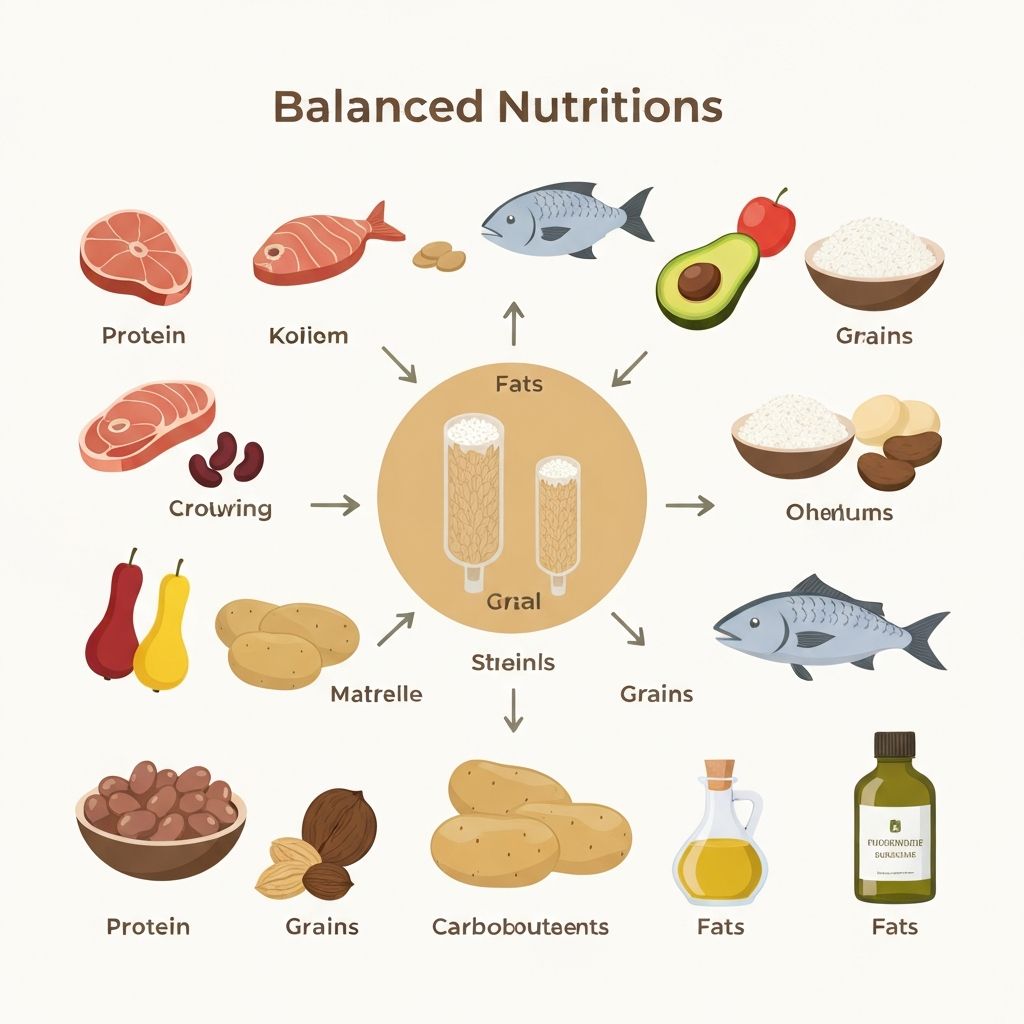
Macronutrients include carbohydrates, proteins, and fats. Each plays a crucial role in providing energy and supporting various bodily functions. Carbohydrates serve as the primary energy source, proteins support muscle maintenance and repair, while fats contribute to hormone production and nutrient absorption.
Micronutrients
Vitamins and minerals are essential micronutrients that support immune function, bone health, and metabolic processes. A diverse diet rich in fruits, vegetables, and whole grains ensures adequate intake of these vital nutrients.
The Role of Physical Activity in Daily Life

Physical activity extends beyond weight management. Regular movement contributes to improved cardiovascular health, enhanced mood, increased energy levels, and better sleep quality. The key is finding activities you enjoy and can sustain consistently.
Types of Physical Activity
- Aerobic activities like walking, hiking, and cycling improve cardiovascular health
- Strength training supports muscle maintenance and metabolic function
- Flexibility exercises enhance mobility and reduce tension
- Balance activities contribute to stability and fall prevention
Consistency matters more than intensity. Finding activities that fit your schedule and preferences increases the likelihood of maintaining a regular routine.
Sleep, Stress, and Their Connection to Well-being
The relationship between sleep quality, stress management, and overall vitality is profound yet often overlooked. Adequate sleep supports cognitive function, emotional regulation, and physical recovery. Chronic sleep deprivation and stress can negatively impact energy levels and overall health.
Sleep and Recovery
During sleep, the body undergoes essential repair and restoration processes. Consistent sleep patterns and adequate duration (typically 7-9 hours for adults) support optimal functioning of immune, metabolic, and cognitive systems.
Stress Management
Chronic stress activates the body's fight-or-flight response, which when prolonged can affect metabolism, digestion, and energy levels. Practices such as meditation, deep breathing, time in nature, and physical activity can help manage stress effectively.
Exploring Natural Ingredients for Vitality
Throughout history, various cultures have incorporated natural ingredients and herbs into their daily practices. These botanicals are known for their traditional uses in supporting general well-being and vitality. This section provides educational information about their properties and historical significance.
Common Herbal Traditions
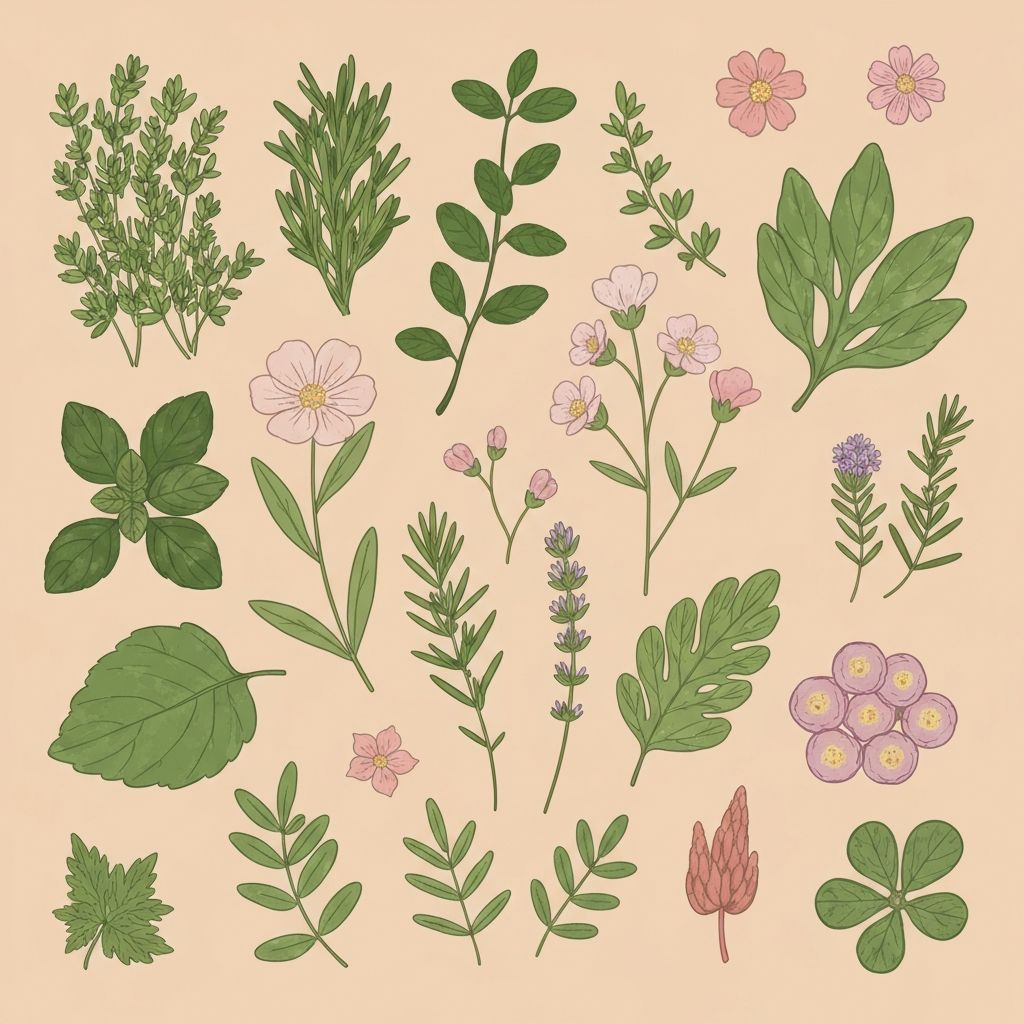
Many cultures have developed rich traditions around the use of herbs and botanicals. Ginger, turmeric, mint, chamomile, and green tea are examples of ingredients with long histories of use in traditional practices. Their properties and applications vary widely based on cultural context and individual response.
Hydration: A Foundation for Health
Water is fundamental to every biological process in the human body. From temperature regulation to nutrient transport and waste elimination, adequate hydration supports optimal physical function. Understanding hydration needs is a key aspect of overall health literacy.
Functions of Water in the Body
- Regulates body temperature through perspiration and respiration
- Transports nutrients and oxygen to cells
- Supports digestion and nutrient absorption
- Lubricates joints and cushions organs
- Aids in cognitive function and mood regulation
Individual hydration needs vary based on activity level, climate, and overall health. General recommendations suggest approximately 8 glasses daily, though needs may increase with physical activity.
Mindful Eating Practices

Mindful eating encourages awareness of hunger cues, satiety signals, and the sensory experience of food. This practice fosters a more conscious relationship with eating, potentially supporting better nutritional choices and satisfaction with meals.
Principles of Mindful Eating
- Recognize physical hunger and fullness cues
- Eat without distractions for better awareness
- Chew slowly and savor flavors
- Notice emotional eating patterns
- Choose foods based on nourishment and enjoyment
Sustainable Lifestyle Choices
Sustainable living extends beyond personal health to encompass environmental responsibility. The choices we make regarding food, consumption, and daily routines can contribute to both personal vitality and planetary well-being. Understanding the connection between individual actions and broader impacts promotes informed decision-making.
Sustainable Dietary Choices
Supporting local, seasonal agriculture reduces transportation impact and provides fresher produce. Plant-forward eating patterns often align with both environmental and personal health considerations. Reducing food waste through mindful purchasing and creative use of ingredients extends both resources and benefits.
Lifestyle Sustainability
From energy consumption to transportation choices, everyday decisions contribute to long-term sustainability. Simple changes such as walking, cycling, or using public transit, along with conscious consumption, collectively create meaningful impact.
The Importance of Dietary Fiber
Dietary fiber, found primarily in plant-based foods, plays a vital role in digestive health and overall well-being. Understanding the different types and sources of fiber helps in making nutritionally balanced food choices.
Types of Dietary Fiber
- Soluble fiber dissolves in water and supports healthy cholesterol and blood sugar levels
- Insoluble fiber promotes digestive health and regularity
- Prebiotic fiber supports beneficial gut bacteria
Sources of Fiber
Whole grains, legumes, vegetables, fruits, nuts, and seeds are excellent sources of dietary fiber. A varied diet naturally provides different types of fiber, each contributing unique benefits to digestive and overall health.

Antioxidants and Cellular Health
Antioxidants are compounds that support the body's natural defense systems by interacting with free radicals. Understanding antioxidants provides insight into how diet can support cellular health and overall vitality.
What Are Antioxidants?
Antioxidants include vitamins such as vitamin C and E, minerals like selenium, and phytonutrients. These compounds are found abundantly in colorful fruits, vegetables, nuts, and whole grains. Each type of antioxidant contributes differently to the body's well-being.
Sources of Antioxidants
- Berries and citrus fruits
- Dark leafy greens
- Colorful vegetables like bell peppers and carrots
- Nuts and seeds
- Green tea and coffee
Building a Balanced Plate

Constructing nutritionally complete meals involves thoughtfully combining different food groups. A balanced plate approach provides a simple, visual framework for understanding proportions and varieties of foods.
Components of a Balanced Meal
- Vegetables and fruits: Fill about half your plate with diverse vegetables and fruits for vitamins, minerals, and fiber
- Grains: Choose whole grains when possible; they should comprise about one-quarter of your plate
- Protein: Include legumes, fish, poultry, or other protein sources; aim for about one-quarter of your plate
- Healthy fats: Include sources like nuts, seeds, or olive oil in moderation
Limitations and Context
Informational Nature: The content on this website is educational and informational. It is not intended as medical advice, diagnosis, or treatment for any specific health condition.
No Individual Recommendations: The information provided does not replace consultation with qualified healthcare professionals. Individual nutritional and health needs vary significantly based on genetics, lifestyle, medical history, and personal circumstances.
Diverse Approaches: There are multiple valid approaches to health and nutrition. What works for one person may not be appropriate for another. The diversity of human biology and life situations means individual assessment and guidance from qualified professionals is essential.
Not a Substitute for Professional Guidance: Always consult with a healthcare provider, registered dietitian, or other qualified professional before making significant dietary or lifestyle changes, especially if you have existing health conditions or take medications.